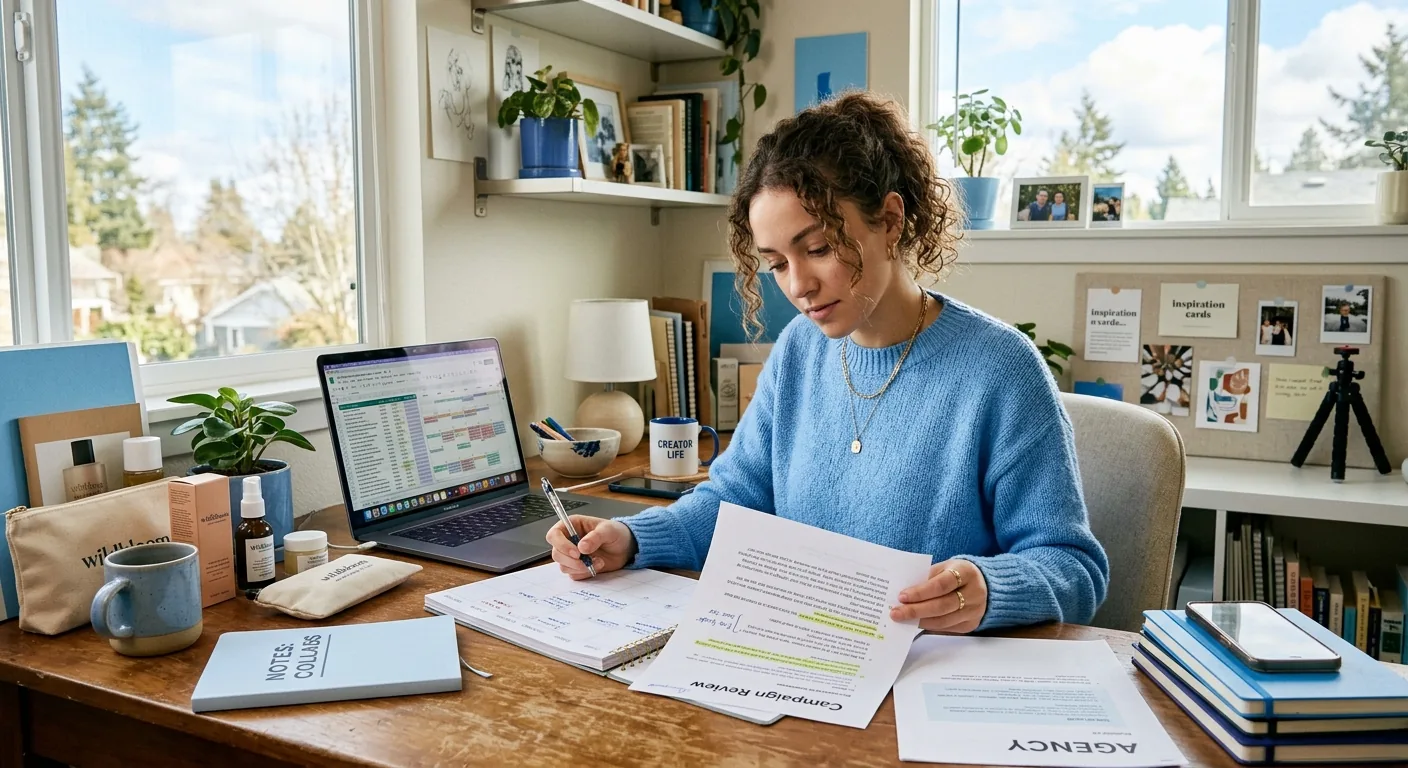
Manage Brand Collaboration Opportunities After First Deal
Managing brand collaboration opportunities after a first deal takes more than defining the process. A practical workflow helps teams prepare next steps, review deliverables, and confirm what needs validation before moving forward.
The Real Problem with Brand Deal Management
After the first successful collaboration, teams often need a clearer way to organize follow-up opportunities. A consistent workflow can make it easier to review priorities, assign ownership, and keep each opportunity moving with less manual coordination.
Step 1 Treat Every Deal Like a Project Not a Conversation
Turn each collaboration into a structured project with clear owners, timelines, and expected outcomes. This helps reduce missed follow-ups and gives everyone involved a shared view of what needs to happen next.
Step 2 Build a Visible Pipeline Stage System
Create simple stages for outreach, negotiation, approval, production, and completion. A visible pipeline makes it easier to see where opportunities stand and which ones need attention first.
Step 3 Track Deliverables as Checklists Not Reminders
Use this section as a practical checklist for manage brand collaboration opportunities after first deal: clarify the context, confirm fit, review implementation requirements, and validate claims before deployment.
-
Confirm whether the project needs a module, a finished terminal, or a mobile workflow.
-
Review enrollment steps, ownership, and the target operating environment.
-
Check API or SDK fit, backend integration scope, and field validation plan.
-
Verify what information is public, what is based on customer-specific facts, and what still requires direct verification.
Step 4 Make Invoicing Automatic After Go-Live
Once a collaboration is active, automate invoicing where possible so payment steps do not depend on manual reminders. This can help teams reduce delays and keep financial operations aligned with delivery milestones.
Step 5 Build a Rate History so You Stop Undercharging
Keeping a record of past rates, deliverables, and deal structures can help teams price future collaborations more consistently. Over time, that history supports better planning and more confident negotiations.
A Practical Weekly Operating Rhythm
A weekly review can help teams check pipeline movement, confirm upcoming deliverables, and resolve blockers before they affect active collaborations. Even a simple operating rhythm can improve visibility across multiple brand opportunities.
Related CreaSeed Pages
-
/resources/can-content-creators-seeking-brand-collaborations-optimize-brand-collaboration-o/
-
/resources/brand-collaboration-opportunities-vs-template-for-professional/
-
/resources/understand-brand-collaboration-opportunities-for-growing/
Next Step
See how CreaSeed supports creator workflows.