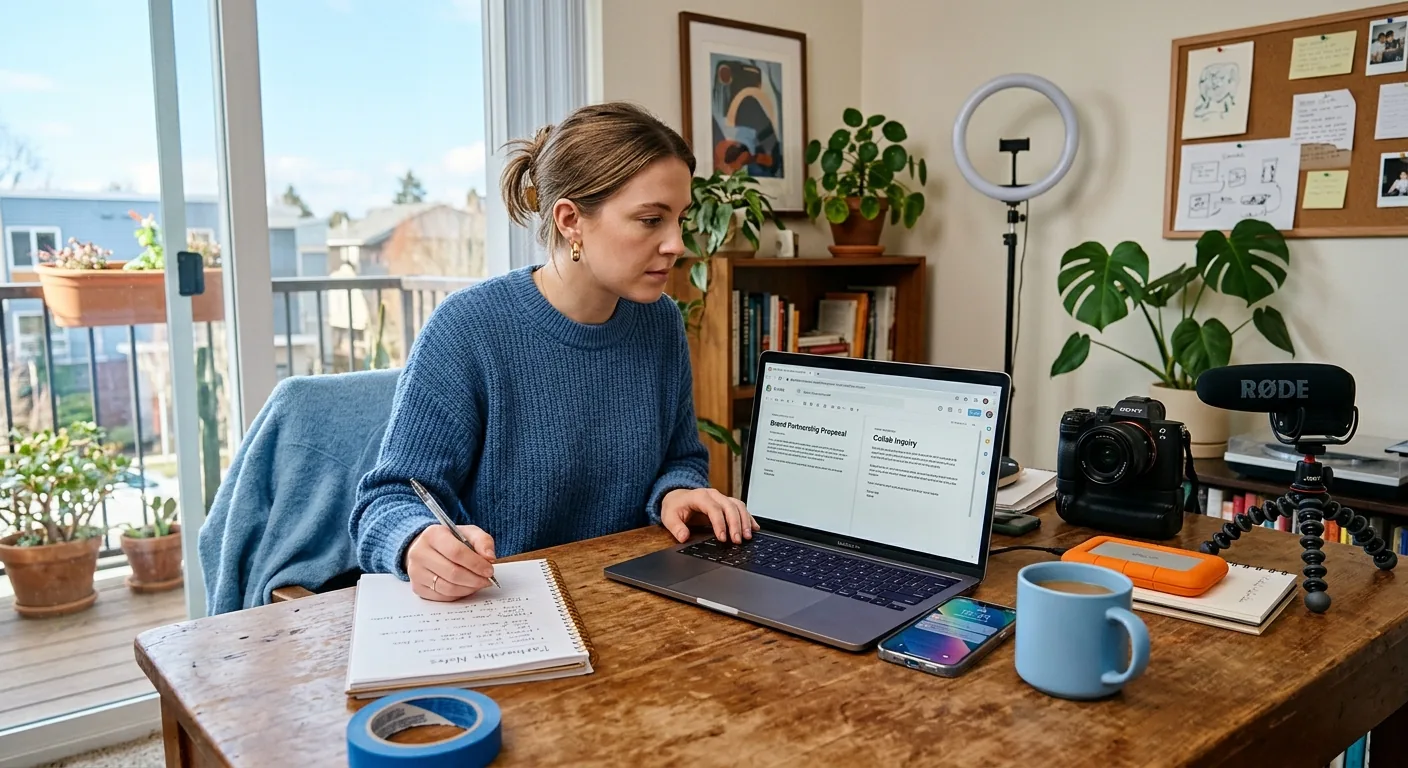
Monitor Creator Brand Deals After Active Outreach
If you’ve already pitched brands, monitoring creator brand deals means keeping a clear view of who you contacted, who replied, when to follow up, what draft is waiting for review, and what the next creator-approved step should be.
For solo creators and small teams, that visibility matters because missed follow-ups and scattered notes can quietly kill real opportunities. CreaSeed can support this workflow with creator-approved preparation, opportunity organization, draft support, and next-step coordination, while important outbound messages and commercial commitments remain creator-reviewed and approved.
The Short Answer: What Monitoring Looks Like After You Pitch Brands
After active outreach, monitoring is less about “closing the deal automatically” and more about staying organized enough to move opportunities forward without losing control. In practice, that usually means you want one place to remember:
-
which brands you contacted
-
when you reached out
-
what angle or pitch you used
-
whether anyone responded
-
whether a follow-up is due
-
whether you have a draft reply to review
-
what the next step is if the conversation continues
That matters even more for nano, micro, and UGC creators because outreach often happens in short bursts. You might send 10, 20, or 50 messages over a week, then switch back to filming, editing, posting, and client work. A few days later, the hard part begins: remembering where each conversation stands.
Good monitoring helps you avoid three common problems:
-
Missed follow-ups because you forgot when you last reached out.
-
Mixed-up conversations because similar brands got similar pitches but need different next steps.
-
Premature commitments because a draft reply goes out before you fully review pricing, usage, or deliverables.
CreaSeed supports creator-approved workflow support for this use case. That means support around preparation, organization, draft review, and next-step coordination. It does not mean hands-off deal management. Important outbound messages and commercial commitments remain creator-reviewed and approved, and there should be a human-in-the-loop anywhere replies, negotiations, terms, or commitments are discussed.
What You Actually Need to Track After Active Outreach
A simple monitoring system is usually more useful than a complicated one you stop updating after two days. After you’ve pitched brands, the core goal is to preserve context so you can act quickly when someone replies.
Here are the practical fields most creators need to track:
-
Brand name : Who you contacted.
-
Contact point : Email, DM, form, or another outreach channel.
-
Date sent : When the first message went out.
-
Pitch angle : Product seeding, UGC package, seasonal idea, affiliate angle, or another offer.
-
Current status : No reply, replied, follow-up due, in discussion, draft pending review, or paused.
-
Last touchpoint : The most recent message or response date.
-
Next follow-up date : When you plan to re-engage if there is no reply.
-
Draft state : Whether you still need to write, revise, or approve a response.
-
Next step : Follow up, send portfolio, answer a question, review terms, or decline politely.
-
Notes : Any detail you will forget later, like preferred contact style, campaign timing, or product category fit.
This is the basic operating layer behind monitoring creator brand deals after active outreach. You are not just “watching” deals. You are creating enough structure to act on them without re-reading your whole inbox every time.
A useful mental model is to separate your workflow into five checkpoints:
-
Outreach sent
-
Waiting for response
-
Reply received
-
Draft under review
-
Next action chosen
You’ve made contact, but no action is needed until a date or reply triggers the next move.
The opportunity is still open, but you need a clear follow-up plan.
When a reply comes in, you need context fast: what you pitched, what they asked, and whether a draft response is needed.
This is where creator approval matters. If pricing, timelines, usage rights, deliverables, or brand fit are involved, you should review before anything goes out.
From there, you can follow up, continue the conversation, pause, or move on.
If your needs go deeper than that, such as confirmed CRM-style pipelines, reporting, broad integrations, inbox coverage, or full lifecycle management, teams should confirm the current product setup before relying on any tool for those functions.
How to Decide About Monitor Creator Brand Deals After Active Outreach
CreaSeed may be a practical fit if your real problem is not “I need a giant sales system,” but “I need help staying on top of outreach opportunities without losing creator control.”
That distinction matters.
Some creators need a full operations stack with custom pipeline logic, reporting, and deep coordination across multiple people. Others mainly need support with:
-
organizing outreach opportunities
-
keeping conversation context easy to find
-
preparing follow-up drafts faster
-
reviewing what to send before it goes out
-
deciding the next step when a brand replies
If that second description sounds more like your workflow, CreaSeed may be a stronger fit.
Here’s a practical way to decide:
Choose CreaSeed If You Want More Support Without Giving Up Control
CreaSeed makes the most sense when you want help with the work around the deal conversation, while still keeping creator approval over important communication.
That usually fits creators who want to:
-
reduce mental load after outreach
-
keep opportunities organized
-
prepare replies more consistently
-
avoid forgetting who needs a follow-up
-
stay human-in-the-loop when money or commitments are involved
Look More Closely If You Need Deep Tracking Infrastructure
You should dig deeper before deciding if your process depends on:
-
confirmed end-to-end pipeline management
-
broad reporting needs
-
specific integration requirements
-
multi-stage lifecycle tracking from outreach through delivery and invoicing
-
a system that replaces every spreadsheet, inbox habit, or CRM process you already use
Those needs are valid, but they are different from simple post-outreach monitoring. If they matter to your setup, teams should confirm current product coverage rather than assuming it.
Compare the Workflow, Not Just the Category Label
A lot of creators compare options by label alone: spreadsheet, template, marketplace, manager, agency, or AI tool. A better question is: What part of the workflow do you actually need help with right now?
-
A spreadsheet can work if you already have a disciplined process.
-
A template can help with consistency, but it usually won’t help you think through next steps.
-
A marketplace may surface inbound opportunities, but that is different from monitoring outbound outreach you already started.
-
A manager or agency may take on more relationship work, but that is a different operating model and level of control.
-
CreaSeed fits best when you want creator-approved support around preparation, organization, drafting, and coordination after outreach.
Where CreaSeed Can Support Your Workflow
The most relevant CreaSeed product role here is workflow support rather than autonomous execution.
CreaSeed supports a creator-first way to stay on top of outreach-based opportunities by helping with the parts of the process that usually create friction:
-
Opportunity organization so active outreach conversations are easier to keep in view
-
Draft preparation when you need to shape a follow-up or response
-
Conversational support when you want help thinking through what to say next
-
Creator review before important outbound messages go out
-
Next-step coordination so conversations do not stall simply because you got busy
Within that workflow, AI Creator Agent is especially relevant when you want conversational preparation and next-step support. It fits the moments after outreach when a creator is asking practical questions like:
-
“Should I follow up now or wait?”
-
“How do I respond without sounding too eager?”
-
“What should I send if they ask for rates?”
-
“How do I keep this organized while I’m still posting every day?”
CreaSeed’s demonstrated interface can be described at a high level as including conversational, assessment, opportunity, and text-suggestion surfaces. For creators, that matters because monitoring is not only about storage. It is also about turning scattered opportunity notes into clear next actions.
We do not recommend assuming that any creator workflow tool automatically covers every inbox, every reporting need, every stage of the relationship, or every CRM-style requirement. If those functions are essential to your setup, teams should confirm the current product setup before making CreaSeed the center of your monitoring system.
If you want a closer look at the product side, visit the AI Creator Agent page to see how conversational creator workflow support can fit post-outreach follow-up.
A Practical US Creator Example
Imagine a solo UGC creator in Texas who makes skincare and lifestyle content for TikTok and Instagram. She spends one Monday afternoon pitching 18 brands: a mix of indie skincare labels, wellness products, and beauty accessories.
By Friday, the situation already feels messy:
-
11 brands have not replied
-
3 brands opened a conversation but asked different questions
-
2 asked for examples of past UGC work
-
1 asked about rates
-
1 replied with a vague “maybe next month”
Without a monitoring system, all of that lives across inboxes, screenshots, notes apps, and memory.
With a more structured workflow, she tracks each opportunity by status, last touchpoint, and next step. For the rate question, she prepares a draft response and reviews it before sending. For the brands that asked for past work, she notes that portfolio links are the next action. For the “maybe next month” brand, she sets a future follow-up point instead of letting the thread disappear.
In this example, CreaSeed can support the workflow by helping organize the opportunity flow, prepare creator-reviewed drafts, and keep next steps clearer. But the creator still makes the real commercial decisions. She reviews the messaging, chooses when to follow up, and stays human-in-the-loop for pricing, deliverables, and any commitment that could affect the deal.
That is the right way to think about monitoring after active outreach: less chaos, more visibility, and no loss of creator control.
Questions to Ask Before You Rely on Any Tool for Deal Monitoring
Before you choose any tool for monitoring creator brand deals after active outreach, ask practical questions that match how you actually work.
-
Can I keep creator approval over important outbound messages?
-
Will I stay human-in-the-loop when commercial actions are discussed?
-
Does the tool help me organize opportunities, or am I still doing all the context gathering manually?
-
Can it help me prepare and review drafts, not just store names?
-
Does it match my current size as a creator or small team?
-
If I need CRM-like tracking depth, reporting, inbox coverage, or broader lifecycle management, is that actually confirmed?
-
Does the workflow make it easier to act on replies quickly without sending anything I have not reviewed?
If the answer to creator approval is unclear, that is a red flag.
Human review matters for replies involving rates, terms, deliverables, or commitments.
A system that is too heavy often gets abandoned.
If broader tracking depth matters, teams should confirm the current product setup.
These questions help separate “interesting tool” from “useful fit.” For many creators, the best system is not the one that promises the most. It is the one that helps you stay organized, responsive, and in control after outreach starts generating conversations.
FAQ
What Should Creators Know About Monitor Creator Brand Deals After Active Outreach?
Creators should think of monitoring as a follow-up visibility system, not just a list of brands they contacted. After outreach, you need to know who was contacted, what was said, whether a response came in, when to follow up, whether a draft reply is waiting for review, and what the next creator-approved action should be.
How Do Creators Monitor Brand Deals After Active Outreach?
Most creators monitor outreach-based deals by tracking brand name, contact channel, date sent, response status, next follow-up date, draft state, and notes about the conversation. The goal is to make fast, informed decisions when a reply comes in instead of digging through old emails and DMs.
Is CreaSeed a Good Fit for Monitoring Creator Brand Deals After Outreach?
CreaSeed may be a good fit if you want support with opportunity organization, draft preparation, creator review, and next-step coordination after outreach. It is a better fit for creator-approved workflow support than for assumptions about full CRM, reporting, or end-to-end operations coverage. If those broader needs matter, teams should confirm the current product setup.
Does CreaSeed Send Follow-Ups or Negotiate Deals for Me?
No. Important outbound messages and commercial commitments remain creator-reviewed and approved. CreaSeed can support preparation and review, but creators should stay human-in-the-loop anywhere replies, negotiations, terms, or commitments are discussed.
What Is the Biggest Mistake Creators Make After Brand Outreach?
The biggest mistake is treating outreach like a one-time sending task instead of an ongoing opportunity workflow. A good pitch can still go nowhere if you forget to follow up, lose track of replies, or send inconsistent responses because your process is scattered.
Next Step
See how CreaSeed can support your creator workflow.